
Electric and lithium golf carts explained
An electric golf cart is a battery machine. The motor is electric, the energy lives in a pack under the seat, and the cart is only as useful as that pack at four o’clock on a busy Saturday. In New Zealand you will be offered two kinds of pack: lead-acid, which most clubs have lived with for years, and lithium, which is how most new electric cars are now being specced. They look similar from the path. They are not the same to own.
That is the bit people miss when they ask for “an electric cart”. Electric is the drivetrain. Lithium or lead-acid is the fuel tank. Get the drivetrain right and you still have a daily argument with watering cans, tired voltage on the back nine, or a charger that never quite keeps up. Get the pack right and the same chassis spends more of the day in use and less of it plugged in. We spec both, we convert lead-acid cars to lithium when the chassis is worth keeping, and we will tell you when a new lithium car is the cleaner answer.
Parkland has supplied and serviced turf and golf equipment to New Zealand courses since 1988. Call the team on 0800 807 333 if you would rather talk it through.
How an electric cart actually works
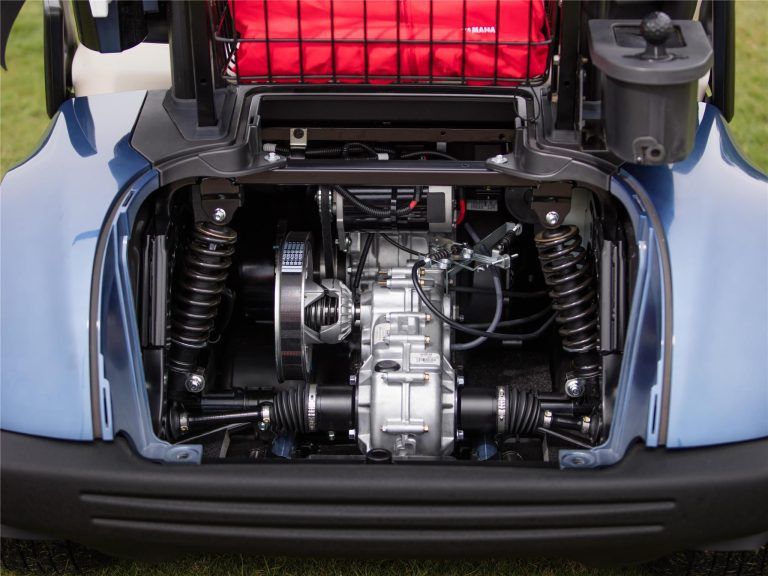
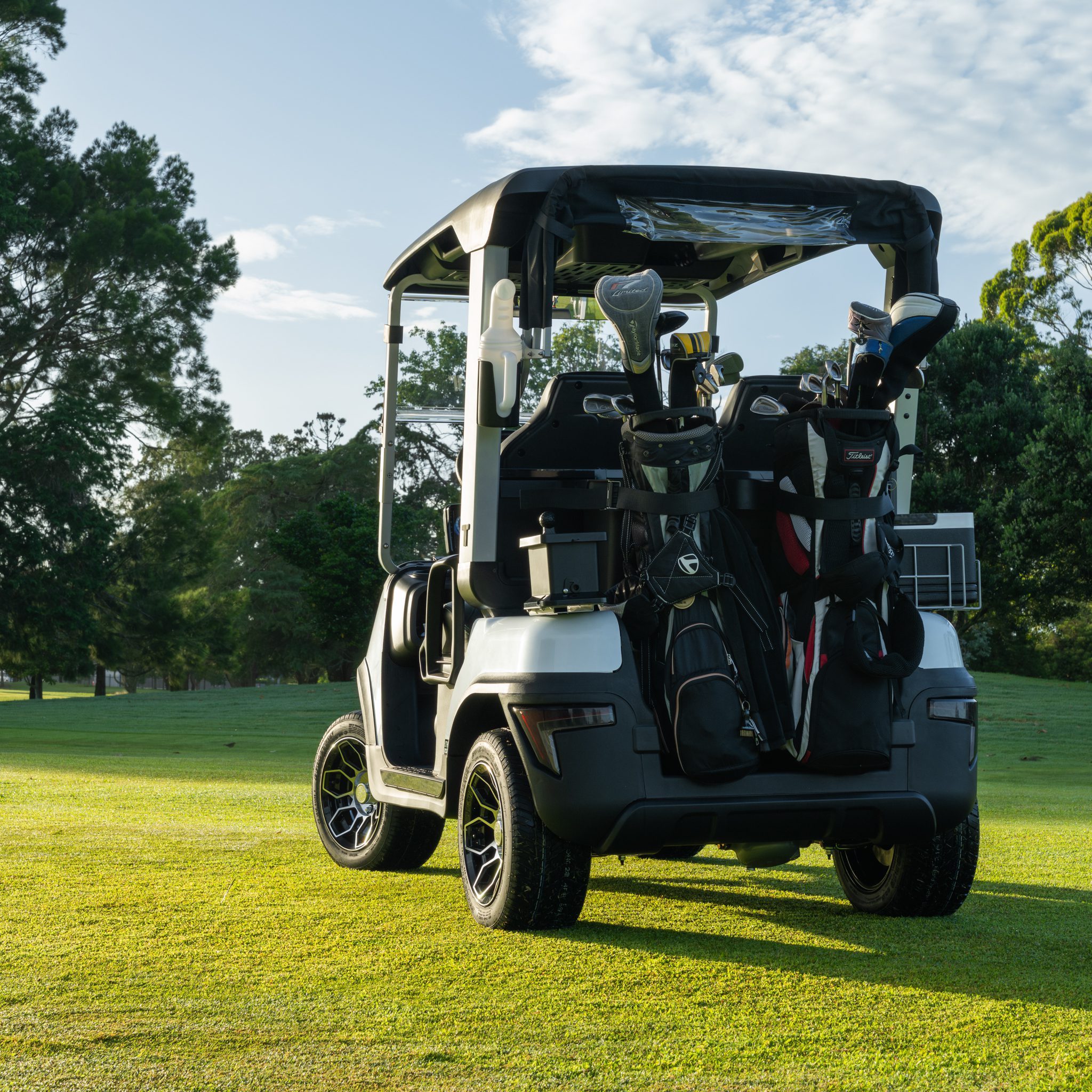
The layout is simple. A pack of batteries feeds a controller, the controller feeds an AC motor, and the motor turns the rear axle. Press the pedal and you are metering current, not mixing petrol. That is why a good electric car feels smooth off the line and quiet on the green: there is no idle, no clutch and no exhaust note to manage around players. Yamaha’s fleet electric, the PowerTech AC, uses a 48-volt Hitachi AC motor rated at 2.6 kW with a Toyota Industries NEOS controller. The lithium Drive2, the PowerTechLi PTV and the matching fleet lithium, steps that up to a 3.3 kW 48-volt AC motor. Tara’s course car, the Spirit Pro, is a 4 kW 48-volt AC machine. Different numbers, same idea: battery, controller, motor.
Where lithium fits on a New Zealand course
Lithium earns its keep where the fleet actually works. A club that turns carts around between morning and afternoon rounds. A hotel or campus that needs a passenger car ready again after a short gap. A hilly layout where lead-acid used to feel spent by the last few holes. The quieter running is real, and so is the drop in daily battery chores. What lithium does not do is remove the need to think about charging. You still need outlets, a shed layout that lets every car get a plug, and a crew that plugs them in. A lithium fleet with three chargers for twenty cars is not a lithium fleet. It is a queue.
Lead-acid is not dead. It is cheaper to put on the path, the watering system on a Yamaha AC is designed for fleet life, and plenty of New Zealand courses still run it well because someone on the staff actually does the weekly work. If that someone has left, or the work never happened, the pack will tell you. Lithium is the way we spec most new electric cars now, because the ownership is simpler. The golf carts we stock make that split obvious: Yamaha still sells the AC lead-acid car beside the PowerTechLi, and Tara’s Spirit Pro, Spirit Pro Plus and Roadster arrive as lithium from day one. Passenger work sits with the lithium Toro Vista range if you are moving guests rather than golfers.
Common questions
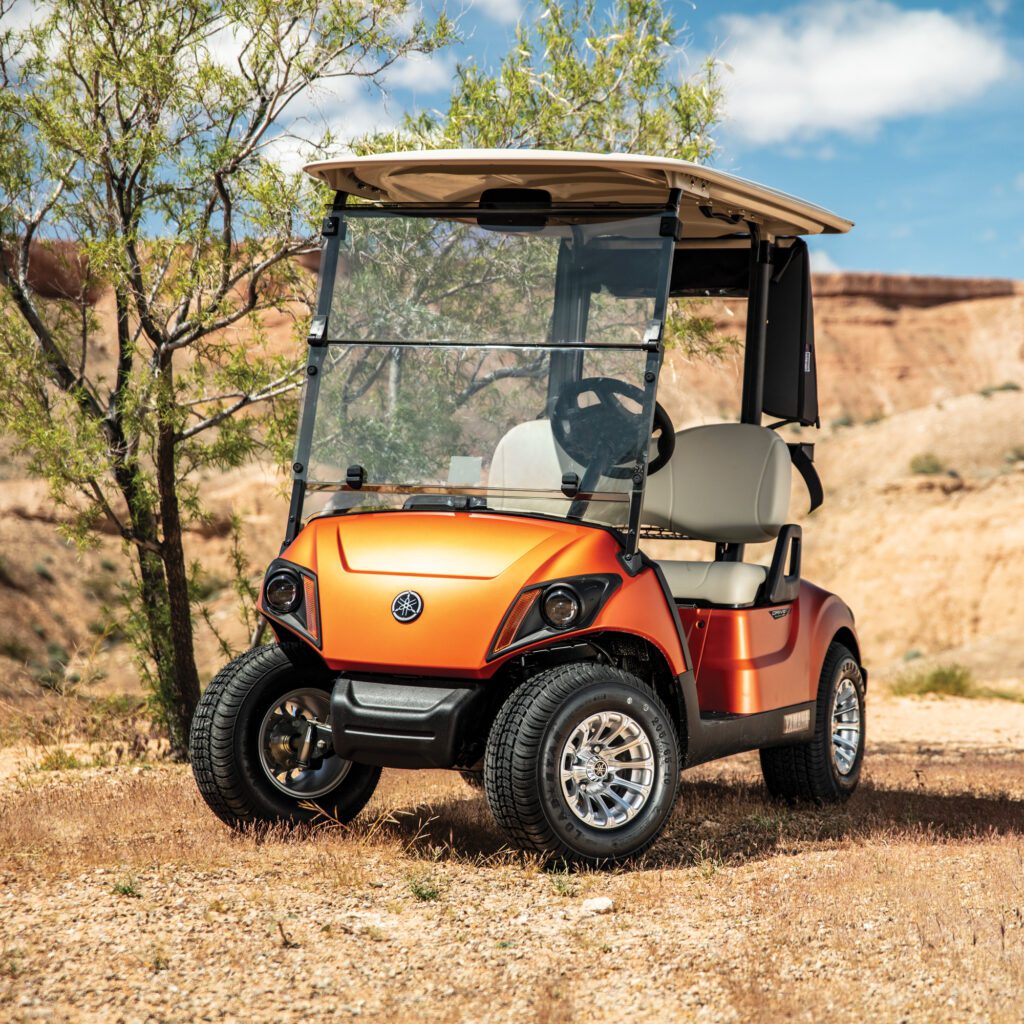
Is lithium just another word for electric? No. Electric is the motor. Lithium is one type of battery that motor can run on. A lead-acid Yamaha AC and a lithium Yamaha PowerTechLi are both electric cars. The pack is what changes the day.
Will an electric cart get around a hilly New Zealand course? That is a spec and a layout question, not a slogan. Yamaha rates the PowerTech AC on hill climbing, and the lithium cars hold voltage better as the pack empties, which is often what you feel on the last climb. We would rather walk your holes than guess from a brochure.
Can I convert the lead-acid fleet I already have? Often, if the carts themselves are worth keeping. Start with the conversion service, or call 0800 807 333.
If you are weighing lithium against lead-acid in more detail, read lithium vs lead-acid golf cart batteries. If the live question is petrol or electric, that sits in electric vs petrol golf carts. To spec a fleet, use how to choose an electric golf cart fleet in New Zealand, or call the team.
Products in this article
- Yamaha Drive2 PowerTechLi | Lithium 2 Seater Golf Cart – PTV
- Yamaha Drive2 PowerTechLi | Lithium 2 Seater Golf Cart – Fleet
- Yamaha PowerTech AC | Electric 2 Seater Golf Cart – Fleet
- Yamaha PowerTech AC | Electric 2 Seater Golf Cart – PTV
- Tara Spirit Pro | Lithium Fleet Golf Cart
- Tara Spirit Pro Plus | Lithium Golf Cart
- Tara Roadster | 2 + 2 Lithium PTV Cart
- Toro Vista 4 Seater Lithium | Passenger Transport Vehicle