Commercial golf mowers explained: what sets them apart
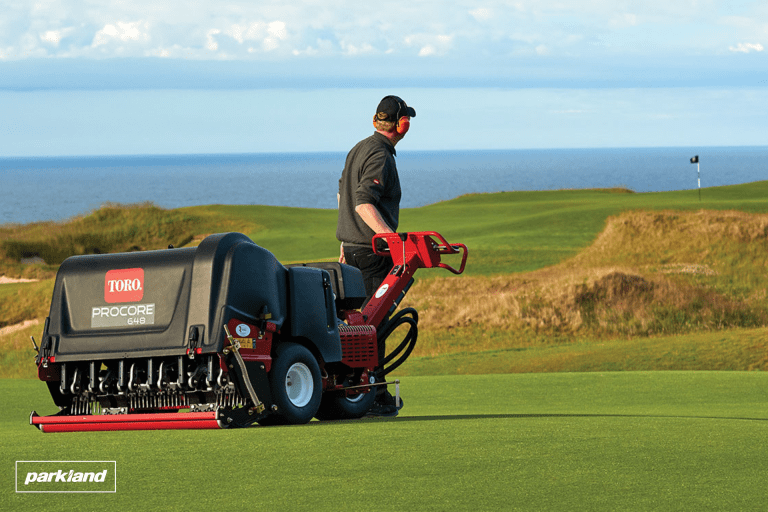
A commercial golf mower is built to do one thing that a domestic machine cannot: cut large areas to a precise, repeatable height, every day, for years. That sounds simple until you try to do it with a scaled-up consumer mower and watch the finish, the reliability and the running costs fall apart within a season. It is why courses invest in machines like the Toro Reelmaster and Groundsmaster rather than buying up. The difference is not badge engineering, it is a fundamentally different design brief.
We have supplied these machines to New Zealand courses since 1988, and the clubs that understand what they are paying for get far more out of them. So here is what actually sets a commercial mower apart, why mowing height matters more than most people realise, and how to know when your fleet is telling you it is time.
Parkland has supplied turf and golf equipment to New Zealand courses since 1988. If you would rather talk it through, call the team on 0800 807 333.
What makes it different from a domestic mower
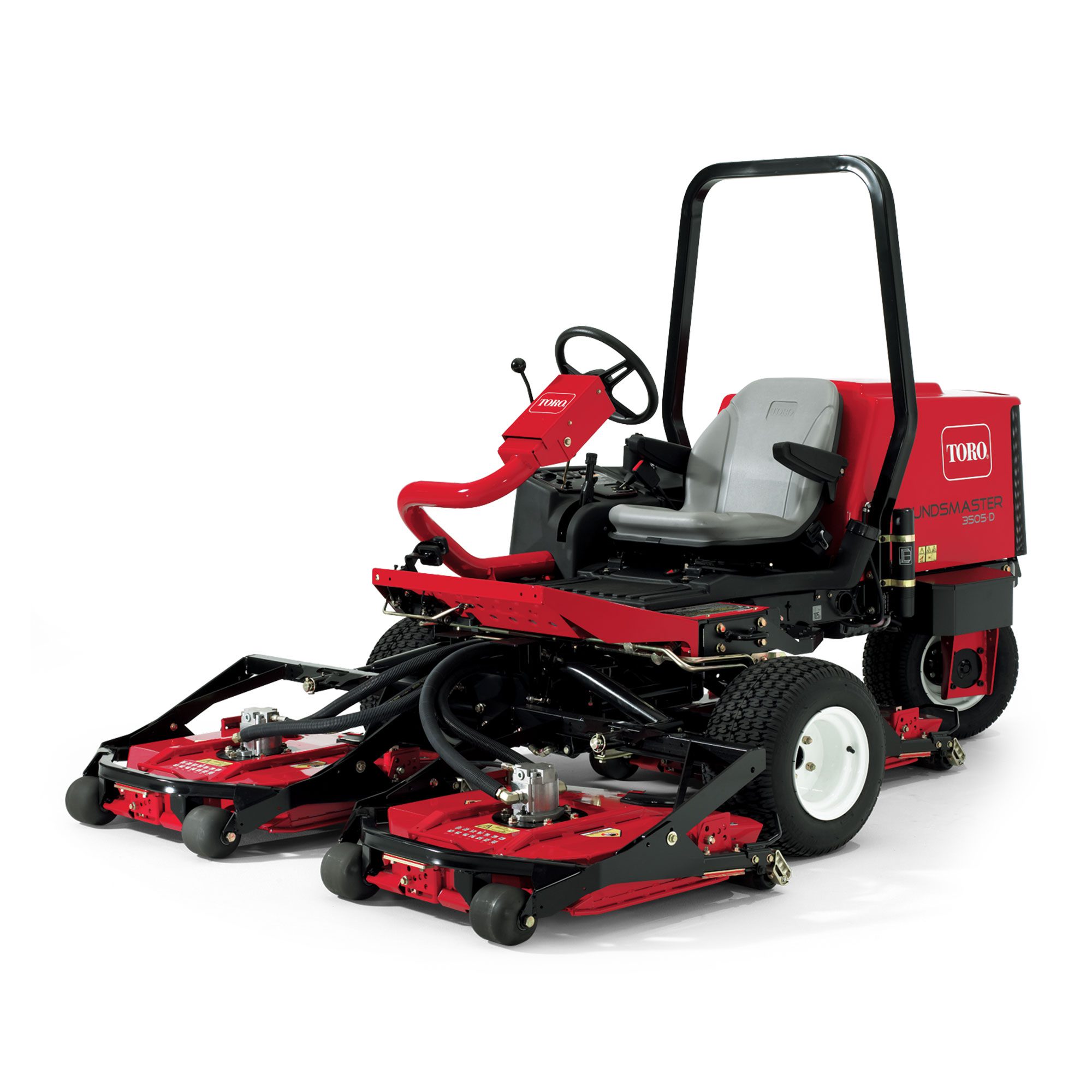
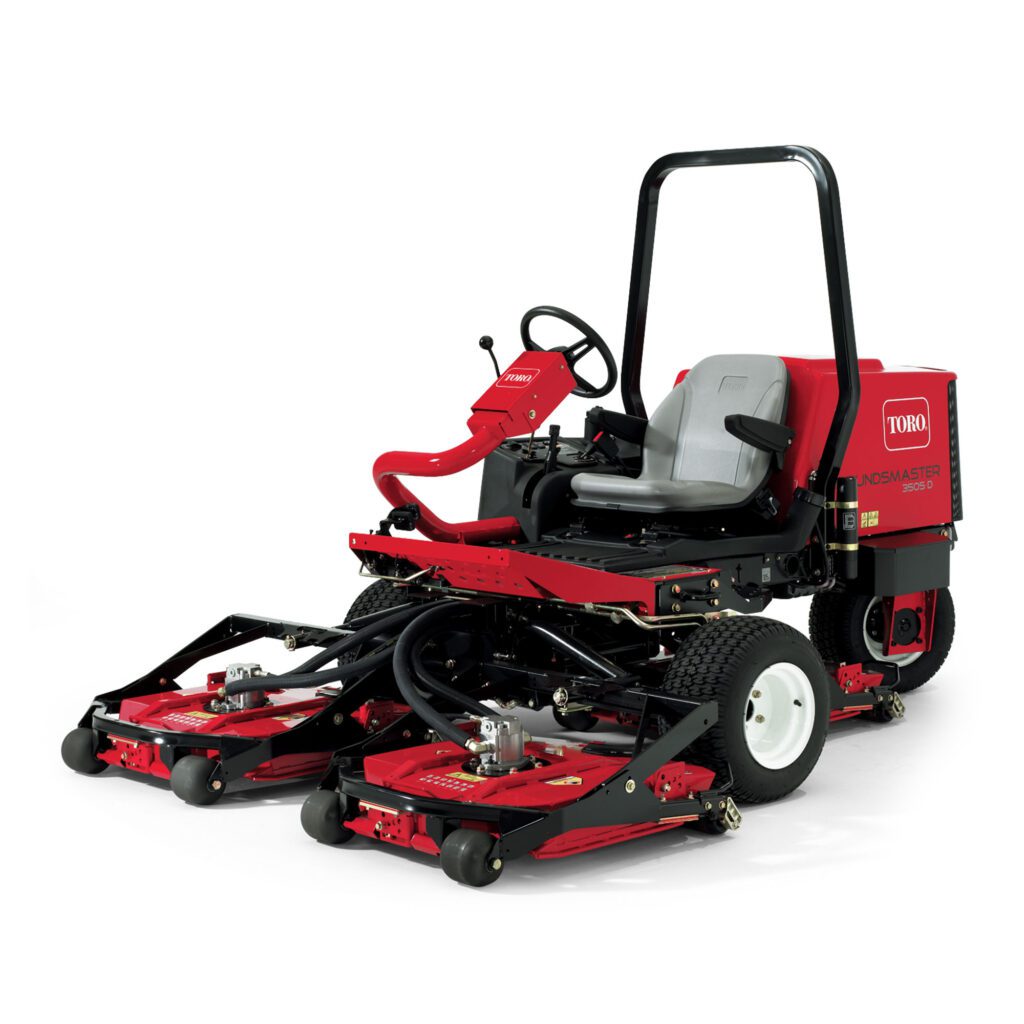
The first difference is cut quality across a wide swath. A commercial machine holds a precise height evenly the whole width of the deck or reels, so the finish is consistent hole after hole rather than stripy and uneven. The second is endurance. Heavier-duty engines, drivetrains and cutting units are engineered to run daily through the season, where a consumer machine is built for a weekend lawn. A Toro Groundsmaster 3505-D, for example, runs a 24.8 hp (18.5 kW) Kubota diesel and mows up to about 1.8 hectares an hour across a 1.83 m cut, which is a working rate a domestic mower simply cannot sustain. The third difference is that these machines are made for turf: floating cutting units follow ground contours, and the whole design protects the surface you are presenting. And the fourth, often overlooked, is that they are built to be serviced and rebuilt rather than thrown away, which is what makes them economical over a decade of use.
Why mowing height matters so much
Mowing height is one of the biggest levers you have on turf health, and it is where commercial machines really earn their keep. Cut too low for the surface and you stress the plant, weaken the roots, and open the door to weeds and disease. Cut at the right height and the turf stays dense, healthy and resilient under traffic. The catch is that greens, tees, fairways and rough each want a different height, sometimes wildly different: a greens mower works in the range of a few millimetres, while a rough mower like the Groundsmaster runs from around 19 mm up to 102 mm. No single machine covers that span well, which is exactly why courses run different mowers for different areas rather than compromising with one. Understanding that is the beginning of building a sensible fleet.
The signs it is time to upgrade
Mowers rarely fail all at once. They tell you gradually, and the first sign is usually cut quality that keeps slipping no matter how carefully you grind and set up, because worn cutting units and tired hydraulics cannot hold a clean cut. Rising downtime and repair bills are the next tell, along with the quiet tax of chasing parts that are getting hard to find. Fuel use and engine hours climbing well past a newer machine’s numbers are a cost you feel every month. And sometimes the machine is fine but the course has outgrown it: standards have risen, or the layout has expanded, and the fleet can no longer keep pace before the first groups tee off. Any one of these on its own is worth watching. Two or three together usually means a new machine will pay for itself in saved hours and better presentation.
Parkland supplies the full Toro range across every surface: Reelmaster fairway reel mowers for a fine striped cut, Groundsmaster rotary mowers for rough and surrounds, and the Greensmaster range for greens. See the lineup on our golf mowers page. To go deeper on the two main cutting types, read reel vs rotary mowers, and when you are buying, our guide to choosing a commercial golf mower in NZ. Or just call the team on 0800 807 333.