Fairway vs rough mowers: understanding the difference
Fairways and rough are mown to completely different standards, so they ask for completely different machines. A fairway wants a fine, tight, even cut with presentation that golfers notice, which is reel work. Rough wants a durable machine that eats longer, tougher grass and copes with undulating ground, which is rotary work. Trying to do both with one mower is how you end up doing neither well, and understanding why comes down to how each machine actually cuts.
Parkland has supplied turf and golf equipment to New Zealand courses since 1988. If you would rather talk it through, call the team on 0800 807 333.
Two different ways to cut grass
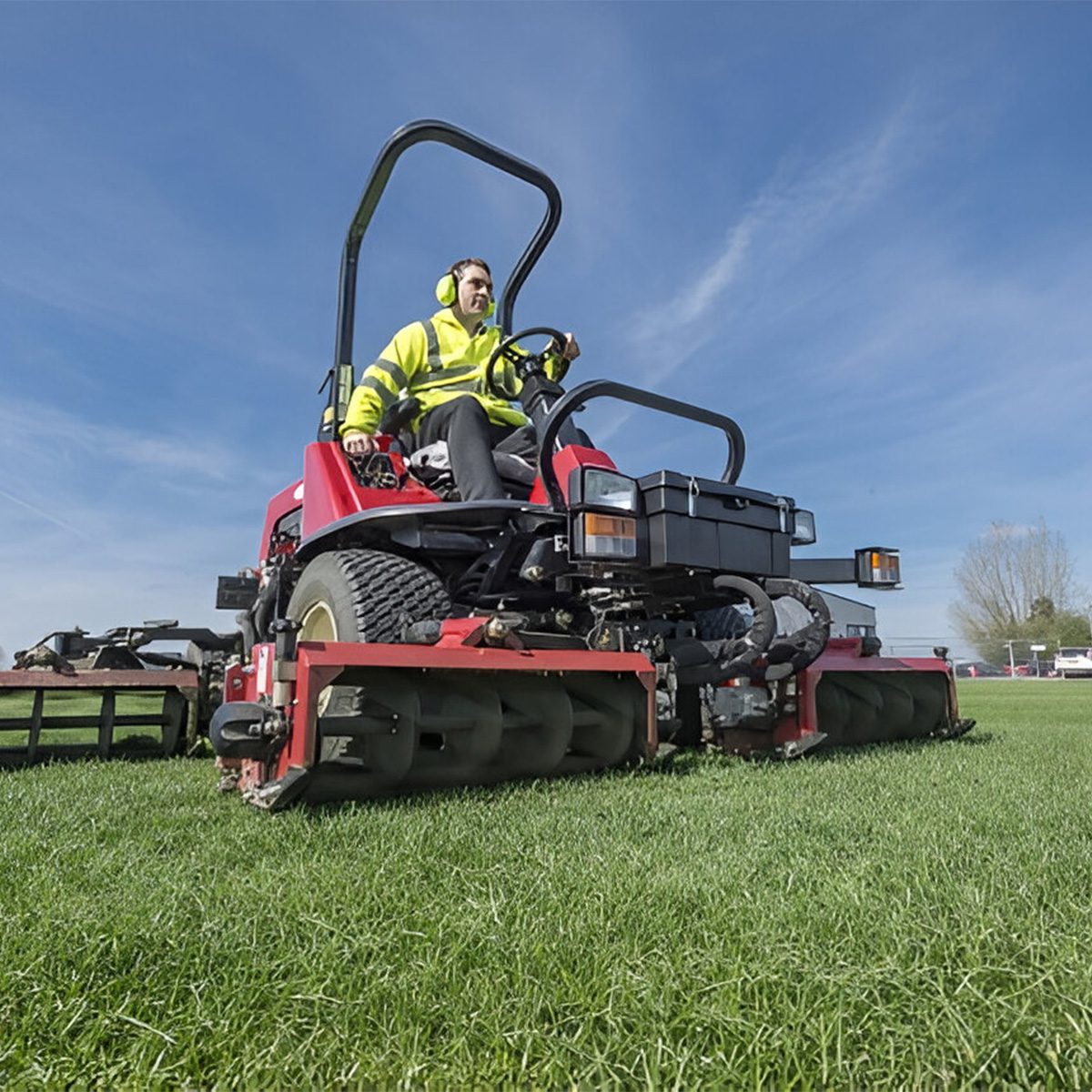
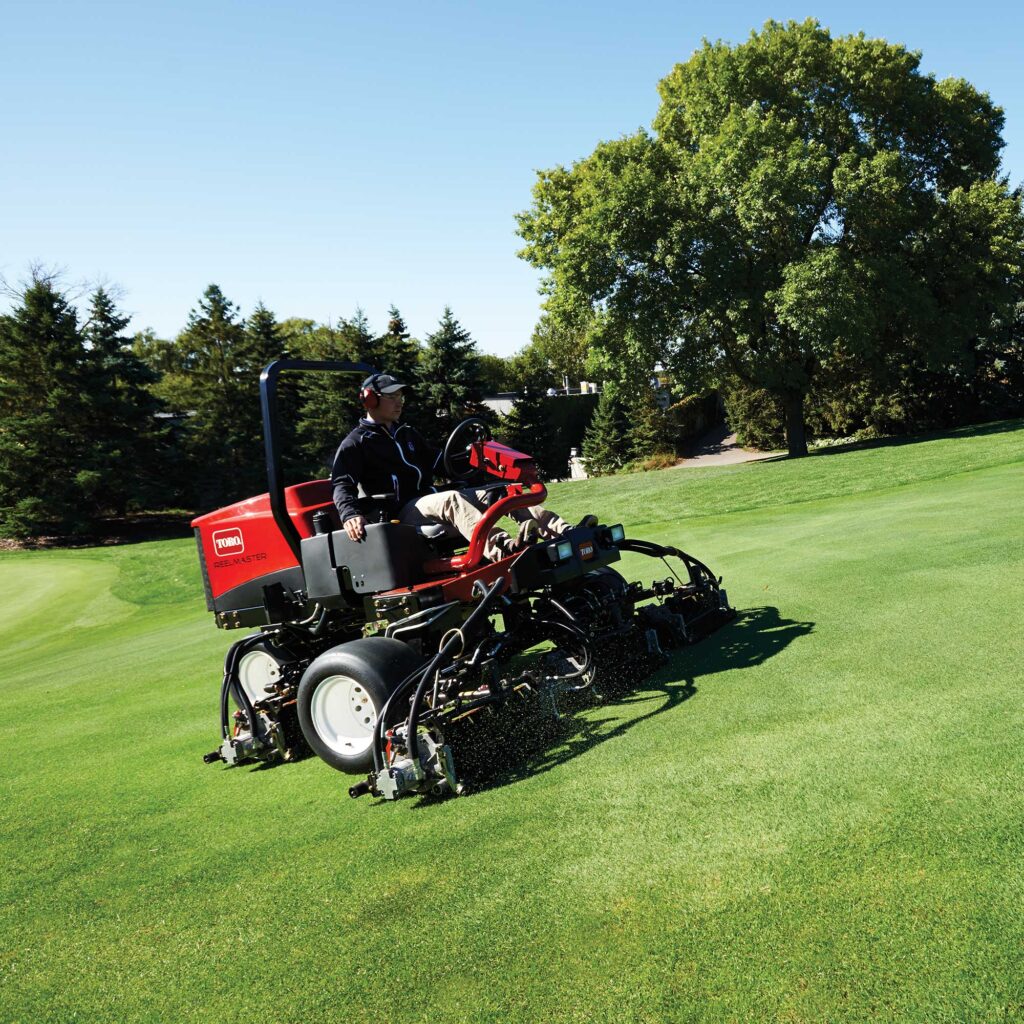
A fairway mower uses cutting reels that shear the grass against a bedknife, like a pair of scissors, for a clean, low, precise cut and that classic striped finish. Because the cut is so clean, the plant heals quickly and the surface plays and looks the way golfers expect of a fairway. A rough mower works the opposite way, spinning rotary blades at speed to slice through grass. That action handles length, coarseness, contours and the odd bit of debris far better than a reel could, at the cost of a slightly coarser finish. Neither is better in the abstract. They are built for different grass, and the whole art is putting each where it belongs.
What fairway mowers are for
On fairways, tees and anywhere kept short and fine, a reel machine like the Toro Reelmaster 5610 is the tool. It gives the even, low cut and clean presentation that define a well-kept fairway, with floating cutting units that follow the ground so the height stays true across contours. This is the machine for when the finish matters and the grass is kept short, and the reel cutting action is covered in more depth in our guide on reel vs rotary mowers.

What rough mowers are for
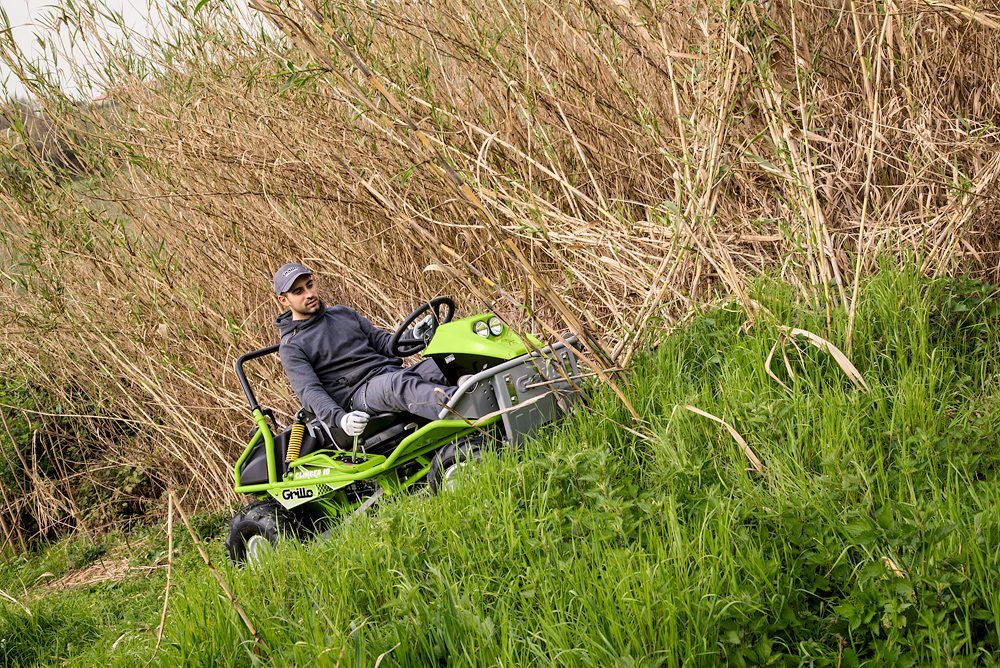
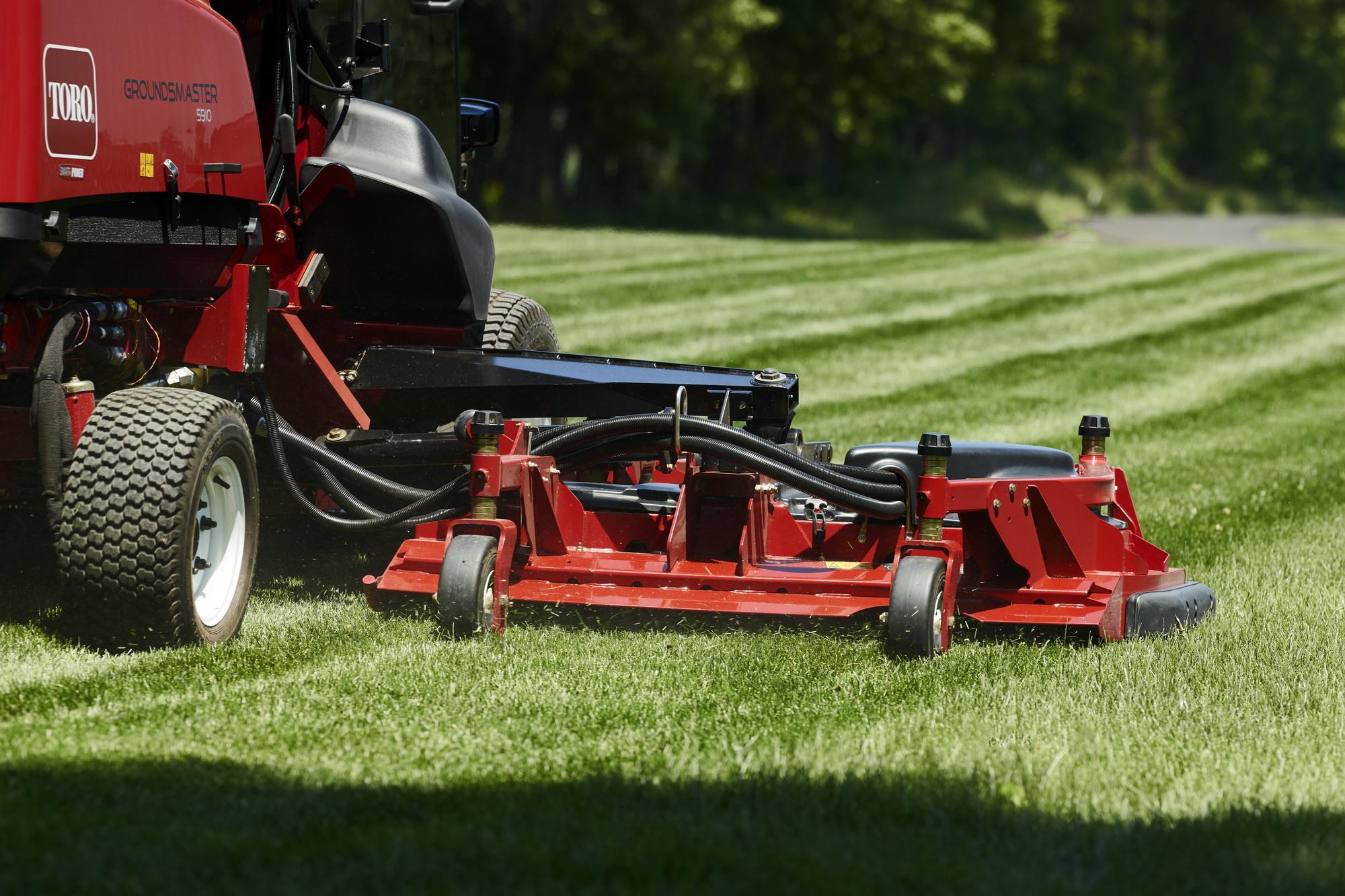
For rough, surrounds, banks and out-of-play areas, a rotary machine like the Toro Groundsmaster 3505-D is built for the job. It handles longer grass and undulating ground, cuts across a productive 1.83 m width at up to about 1.8 hectares an hour, and runs a height range from roughly 19 mm to 102 mm, which is exactly the span the rough demands. Here the goal is covering ground and coping with tougher conditions rather than a manicured finish, and the contour-following decks keep it from scalping the humps and hollows.
Which for which area
The rule is simple once you see the machines clearly. Fairways, tees and anything kept short and fine go to reel mowers. Rough, banks, surrounds and longer grass go to rotary mowers. Almost every course runs both, matched to the surfaces they maintain, and the mistake to avoid is asking one machine to straddle the divide.
If you are building or refreshing a fleet, start by mapping your surfaces and their heights, then match a machine to each. Tell us your layout and we will help you get the mix right, or read our guide to choosing a commercial golf mower. See the range on the golf mowers page, or call 0800 807 333.