How to build a mowing schedule that protects your turf
A mowing schedule is not just about presentation. Done well, it is one of the most powerful tools you have for turf health, and done badly it is one of the quickest ways to wreck it. The heights, the frequency and the timing you set for each surface decide whether the grass stays dense and resilient or thins into weeds, disease and stress. The good news is that the principles are consistent, so once you understand them you can build a schedule that works through the whole New Zealand season.
Parkland has supplied turf and golf equipment to New Zealand courses since 1988. If you would rather talk it through, call the team on 0800 807 333.
Heights and frequency by area
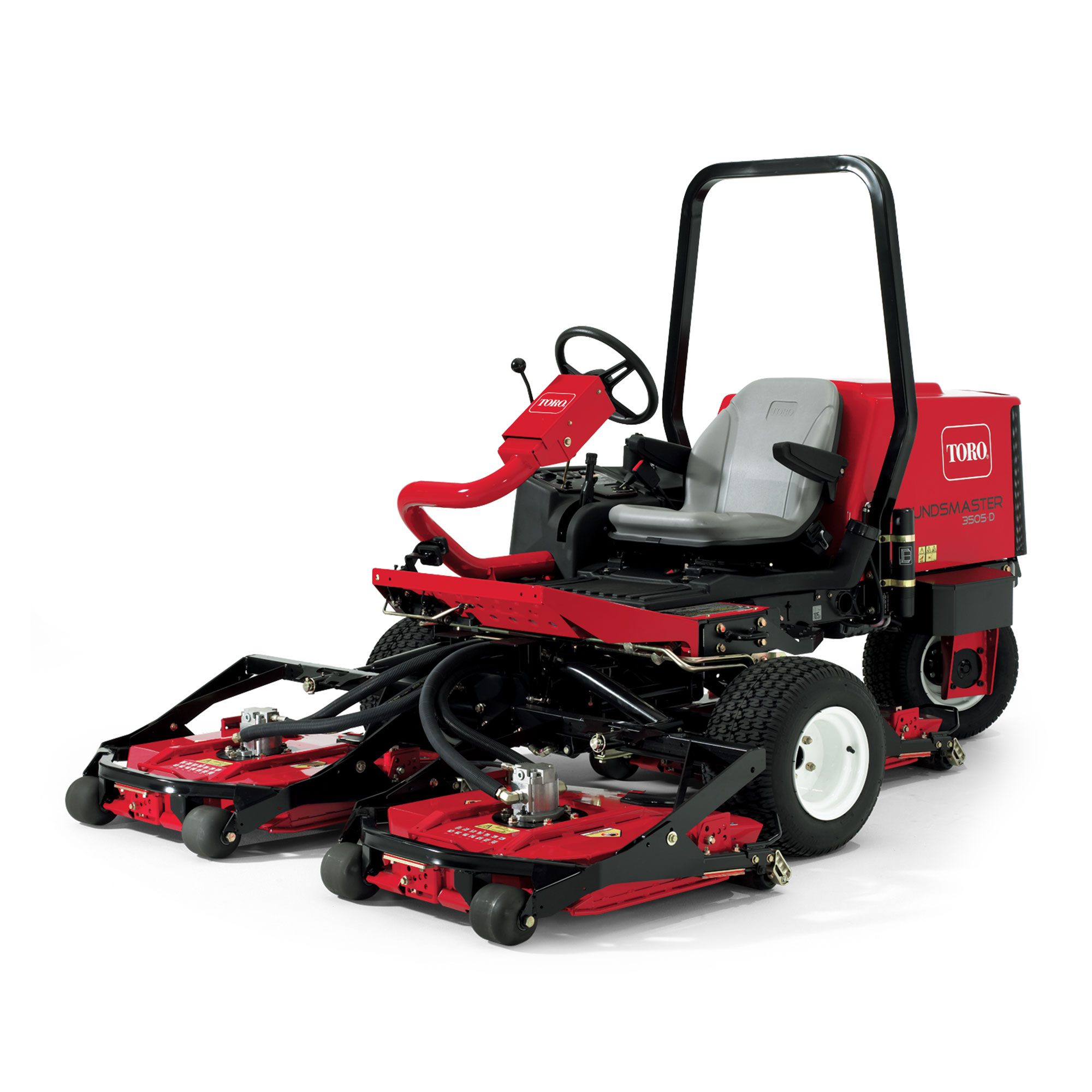
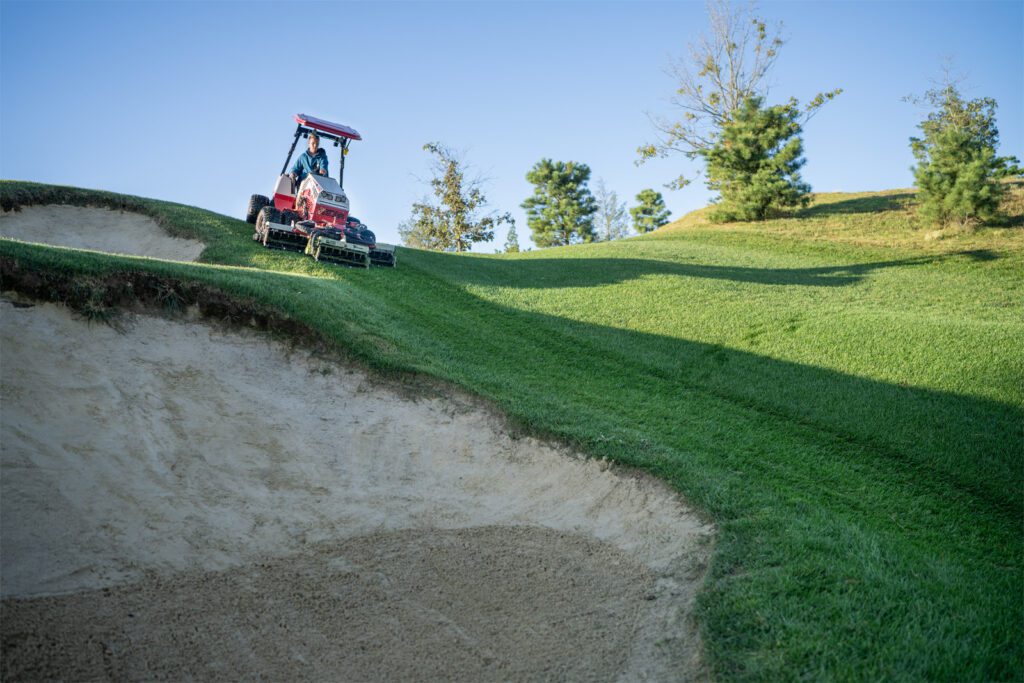
Each surface has its own rhythm. Greens get the lowest heights and the most frequent mowing, often daily in season, and where you want more pace you roll rather than cut lower. Tees and fairways take a fine cut several times a week, kept even for both presentation and play. Rough and surrounds sit higher and are mown less often, focused on definition and productivity rather than a fine finish. This is exactly why a course runs different machines for different areas, from a reel greens mower working in millimetres to a rotary like the Groundsmaster running anywhere from about 19 mm to 102 mm. Match the machine and the height to the surface, and the schedule almost writes itself.
Mowing with the seasons
Grass grows fastest in the warm months, so your frequency should follow the growth rather than the calendar, climbing through spring and summer and easing off in winter. The single most useful rule to hold onto is never to remove more than about a third of the leaf in one cut, because scalping the plant is the fastest way to stress it into thinning and disease. In heat and drought it pays to lift heights a touch to protect the plant, and to mow when the turf can take it rather than when the roster says so. A schedule that flexes with the season keeps turf healthy where a rigid one grinds it down.

The habits that protect turf, and the mistakes that hurt it
A few habits do most of the work. Keep blades and reels sharp so you cut cleanly rather than tear, because a torn leaf tip browns off, stresses the plant and looks ragged. Vary your mowing direction to avoid grain and wear patterns. Mow dry where you can for a cleaner cut and less disease spread. The common mistakes are the mirror image: cutting too low for the surface, mowing too infrequently and then scalping to catch up, and running dull cutting units that bruise the grass. Each one shows up in turf health within weeks. And a mowing schedule works best alongside the rest of the programme, so pair it with sound aeration to keep the soil open and the whole system healthy.
If you want help matching machines to your schedule, that is what we are here for. See the golf mowers range, read commercial golf mowers explained for the background, or call the team on 0800 807 333.