Rolling for green speed: how to build a programme that lasts
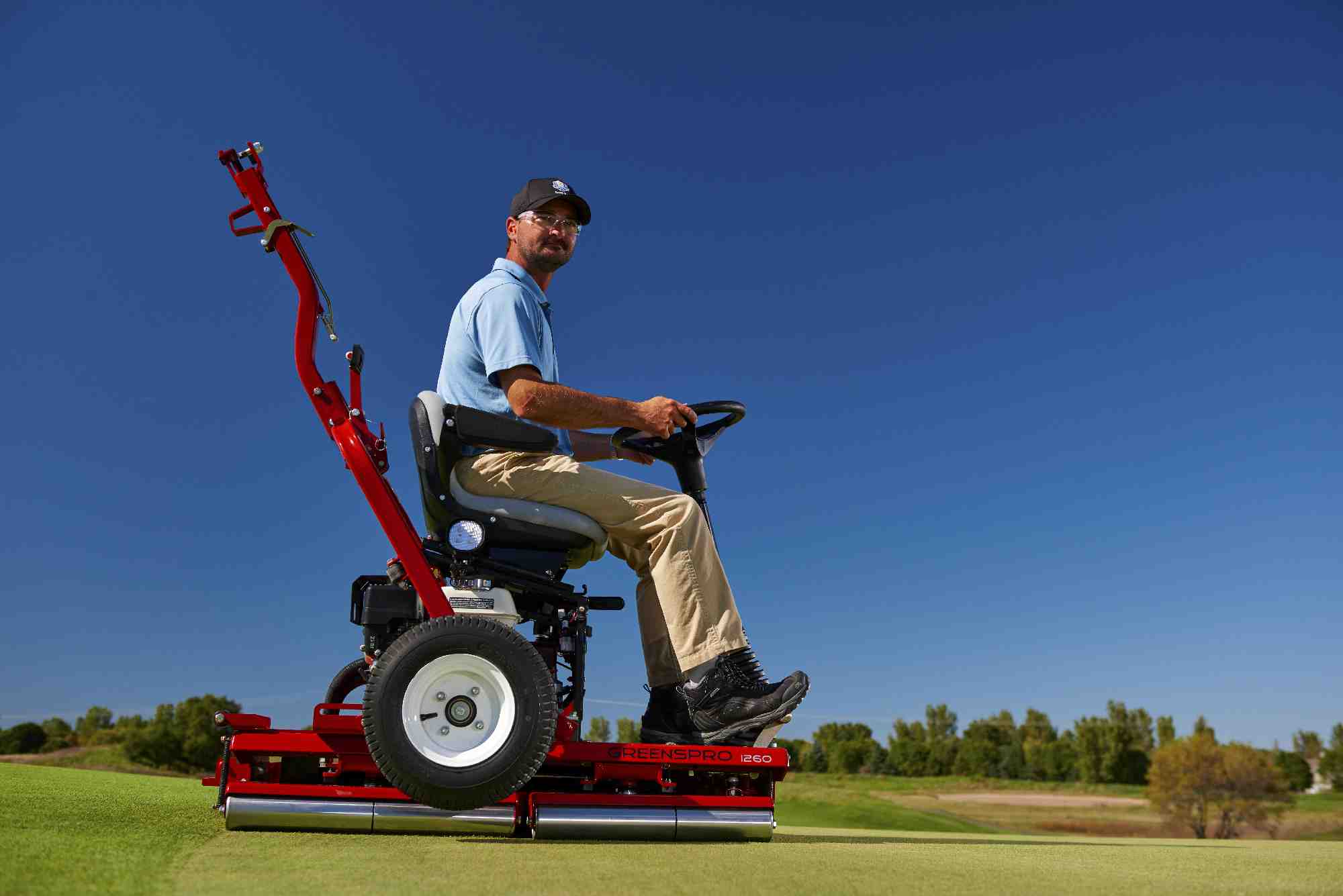
Owning a greens roller is only half the job. The value comes from how you use it, and the courses that get the most out of rolling treat it as a planned part of the week rather than something they wheel out before a competition. Done well, a rolling programme gives you consistent pace and trueness all season while actually improving turf health. Done carelessly, rolling can still cause problems, so it is worth setting up properly from the start.
Parkland has supplied turf and golf equipment to New Zealand courses since 1988. If you would like help shaping a programme around your own greens, call the team on 0800 807 333.
How often should you roll?
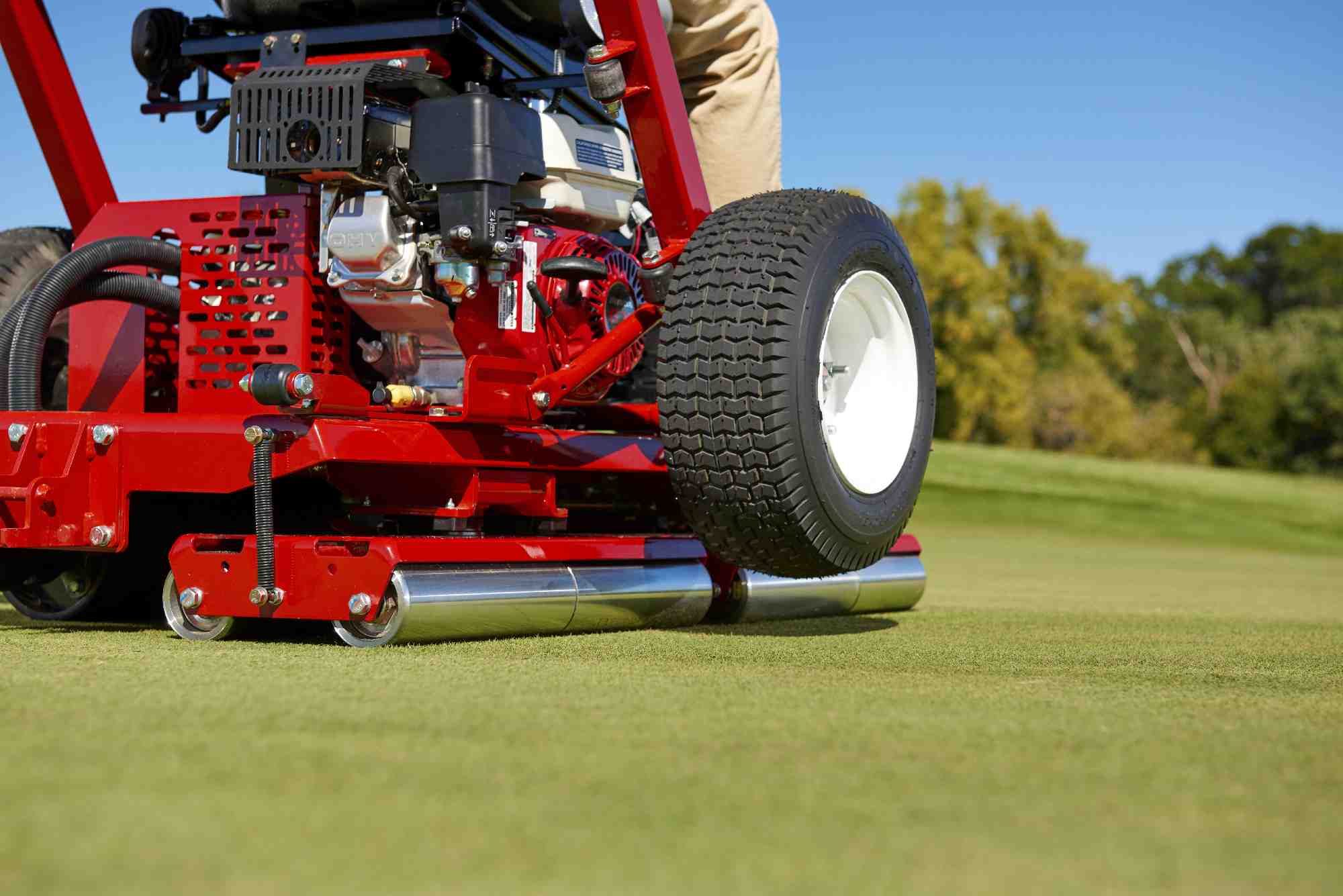
There is no single number, but the useful starting point for most New Zealand courses is a few times a week through the playing season, stepping up around competitions and easing back in the depths of winter. The reason you can roll this often is the light ground pressure of a proper greens roller, around 0.26 bar on the Toro GreensPro, which conditions the surface without compacting it.
The key is consistency rather than intensity: rolling three or four times a week gives you a steady, predictable pace that members can trust, whereas rolling hard only before an event gives you a fast green on Saturday and a different course the rest of the week. Watch the turf and the weather, and back off when the plant is under heat or drought stress, but otherwise build it into the routine like mowing.
Rolling and mowing work together
The real skill is balancing the roller against the height of cut, because the two are levers on the same outcome. The old approach was to chase pace with the mower alone, dropping the height until the green was fast and fragile.
A rolling programme lets you do the opposite: carry a slightly more generous height of cut for a healthier, denser plant, then recover the pace on the roller. In practice that means deciding your target green speed, setting a height of cut you can sustain without stressing the turf, and using rolling frequency to fine-tune the pace from there. Courses that get this balance right present quick, true greens that also survive summer, which is the whole game.
Getting the most from the machine
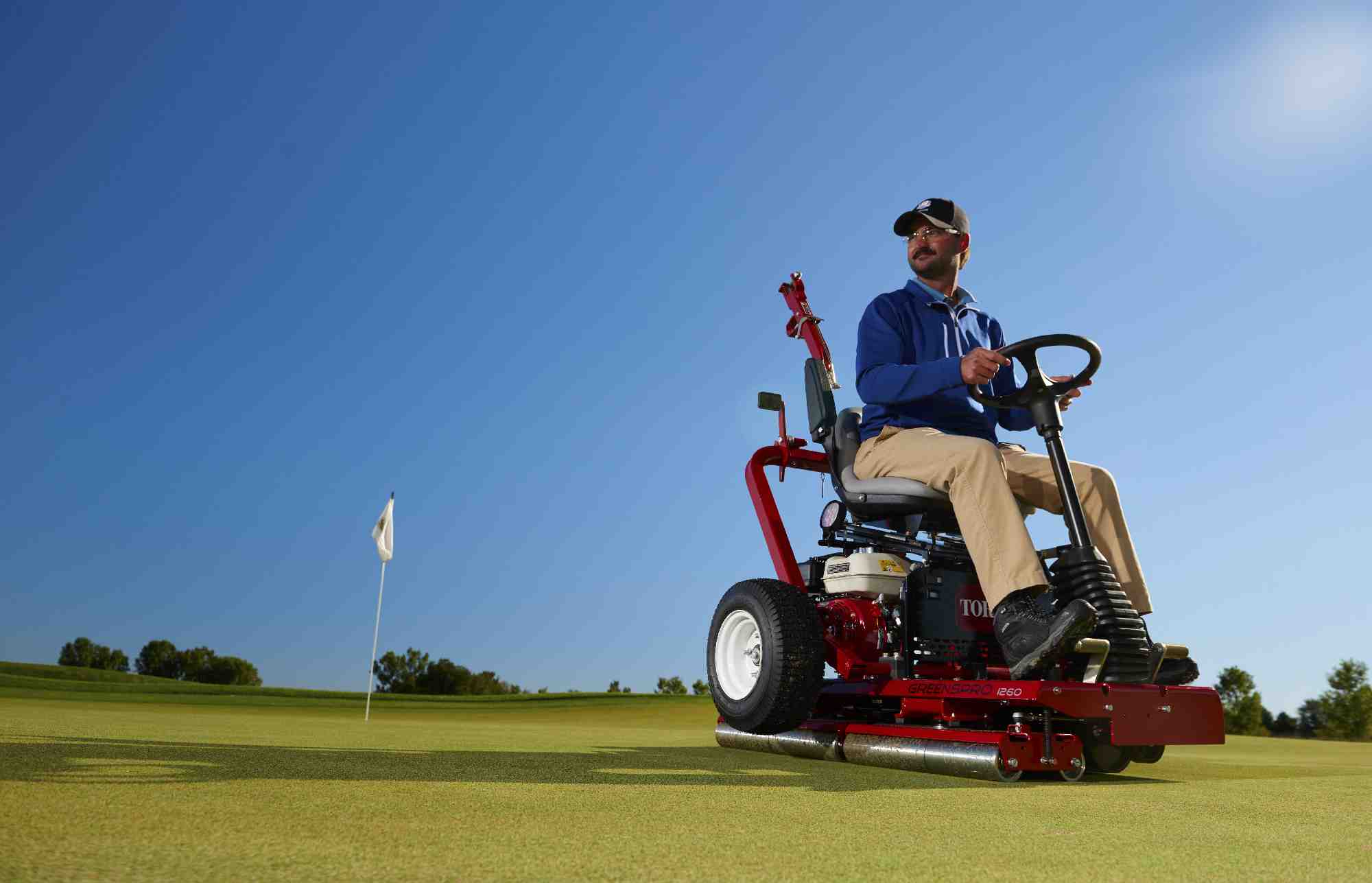
A few habits make the difference over a season. Vary your rolling direction, as you would with mowing, so you are not encouraging grain or wear patterns. Time rolling around your topdressing and aeration, since rolling smooths the surface nicely after a light topdress but should wait until greens have recovered from coring. Keep the rolls clean and the machine serviced so the finish stays true. And use rolling as your quiet, non-disruptive way to lift presentation for members’ days and events, when cutting lower would cost you turf health. Small, regular attention beats occasional heroics every time.
If you are still choosing a machine to build this around, our guide to choosing a greens roller in NZ compares the options, and what a turf roller does covers the fundamentals. Pair rolling with a sound aeration programme and your greens will thank you for it. To talk through a programme or the right roller, call 0800 807 333 or see our turf and greens rollers range.
Products in this article
- Toro GreensPro e1700 | Ride On Electric Greens Roller
- Salsco HP11 Greens Roller
- Salsco HP11-III Sports Field Greens Roller
- Salsco HP2E Electric Roller
- Salsco HP3E Electric Roller
- Salsco Roll-N-Go Greens Roller
- Salsco Tranz-Former Sports Field Turf Roller
- Salsco STR-180 Tow Behind Turf Roller
- Salsco Walk Behind Roller 24″
- Salsco Walk Behind Roller 36″
- Toro GreensPro 1260 | Ride-on Greens Roller