The complete guide to commercial mowers for golf courses and sports turf managers in New Zealand
New Zealand conditions are harder on mowing equipment than most. The terrain is uneven, the winters are wet, kikuyu grows everywhere you can imagine, and the cutting season doesn’t allow for a machine that’s out of action.
This guide covers the main mower types, what the key aspects to think about when choosing between them, and how to think about buying vs financing. We know you know the basics, so we’ve focused on the decisions that take time rather than the ones with obvious answers.
Parkland has been supplying mowers to New Zealand golf courses and sports turf managers since 1988. Talk to the Parkland team today (0800 807 333).
Types of commercial mowers explained
Depending on the type of turf, height of cut required, and size of turf area you will want to choose a different mower for the job. Below we outline each type of commercial mower, and their best use cases.
Ride On Mowers
Best used for: Large open areas, sports fields, fairways, and council parks
Ride-on mowers are designed to provide efficient lawn care for large areas. Cutting width of mowers can vary from 34″ (86 cm) to 192″ (488 cm) depending on the mower, which can dramatically change the amount of acreage that can be mowed per day. Smaller ride-on mowers often are zero-turn which gives a greater manoeuvrability while larger mower opt for a traditional steering wheel.
Stand On Mowers
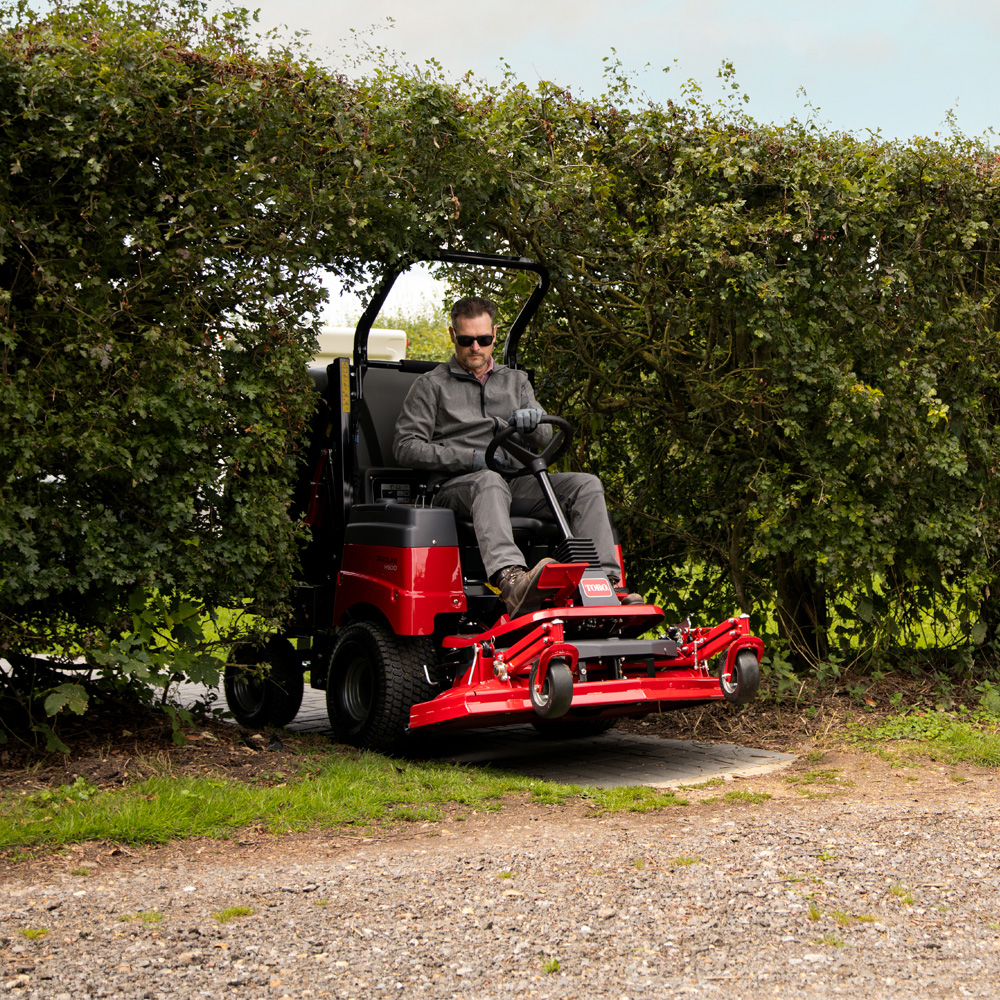
Best used for: Large awkward shaped lawns, around obstacles, council berms
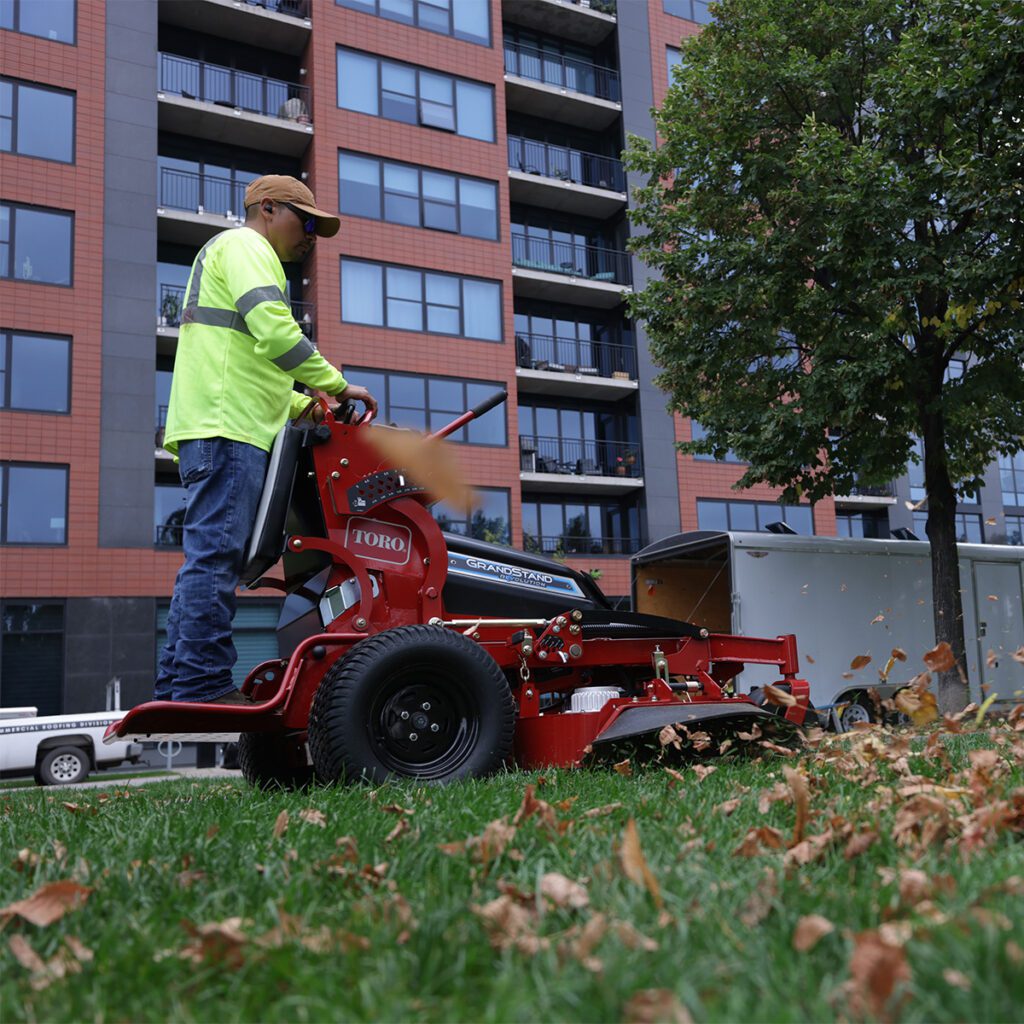
Stand On Mowers are designed for professionals who need an efficient and agile lawn mower. Being on the smaller size, typically 34″ (86 cm) to 52″ (132 cm), allows operators to easily navigate tight spaces while delivering precision cutting. Stand on mowers can also double as walk behind mowers where necessary.
Walk-behind Mowers
Best used for: Small lawns, slopes, confined areas, edges, and around obstacles
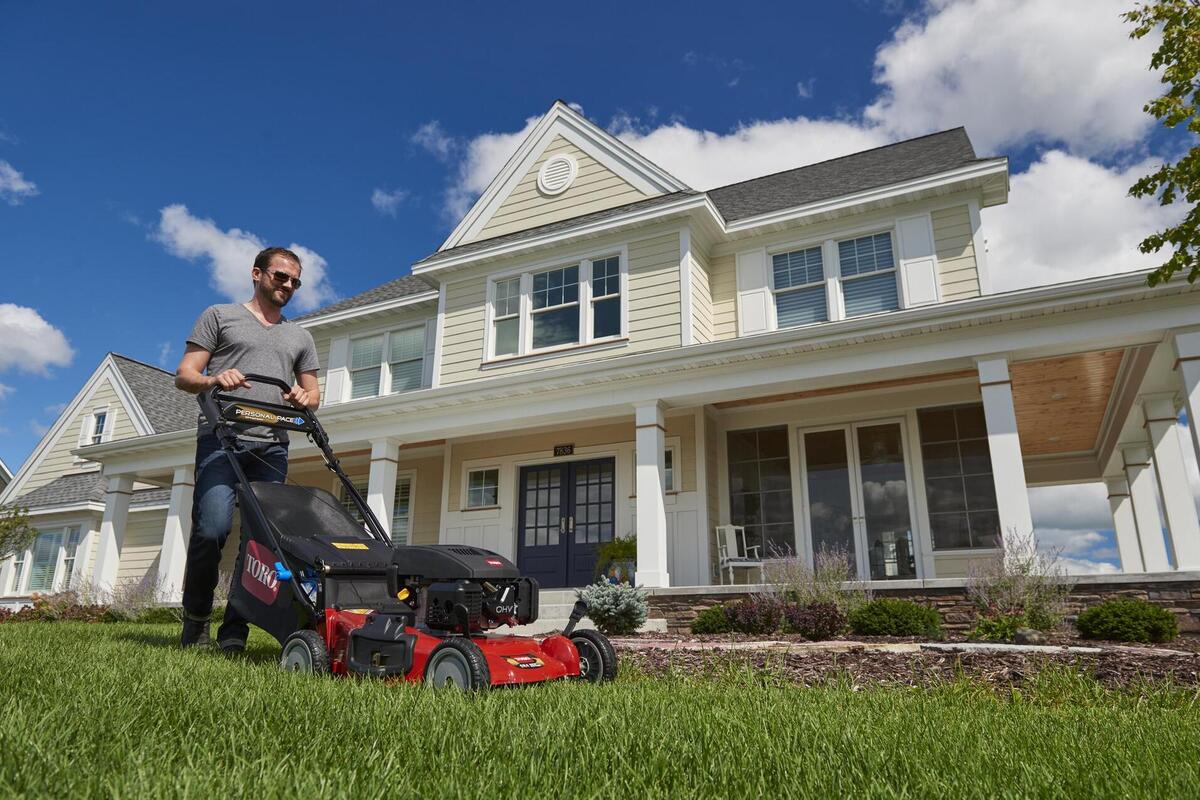
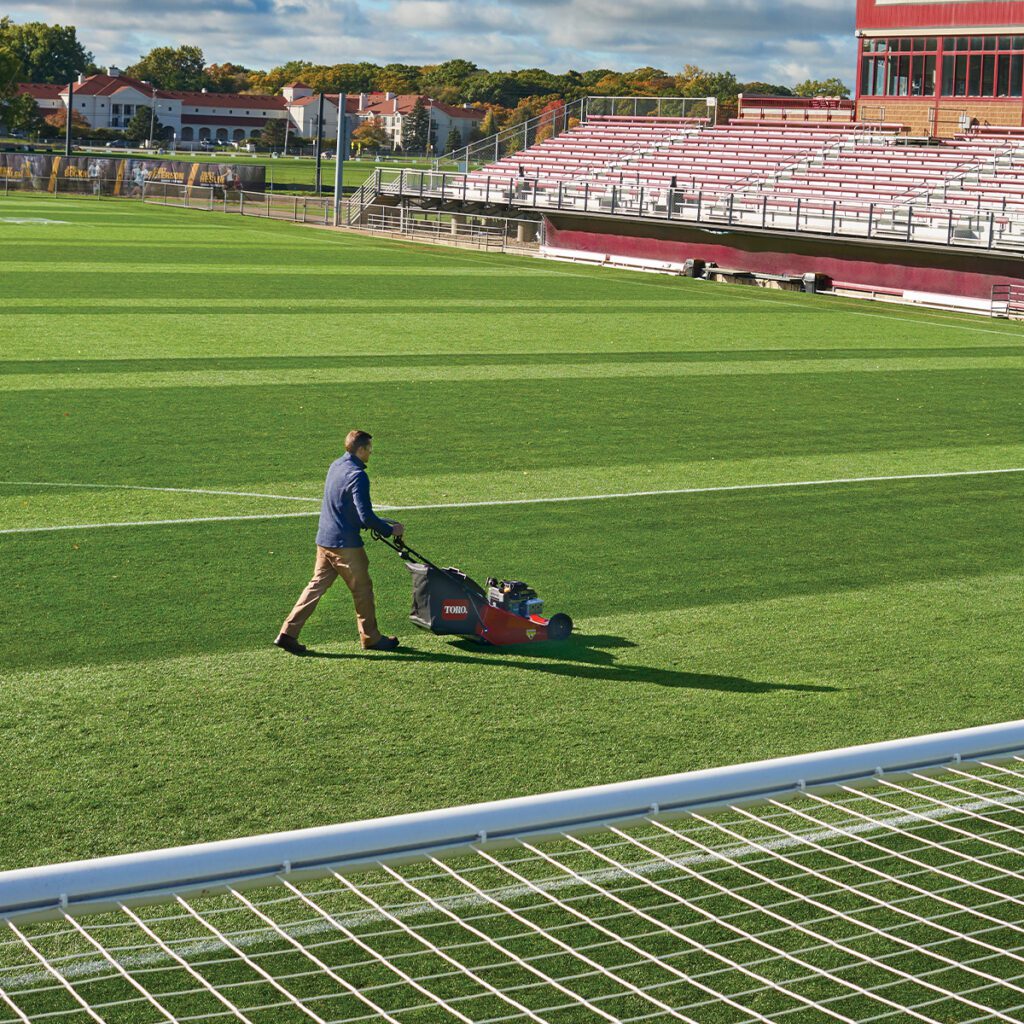
Walk-behind mowers offer a combination of precision, control, and ease of use, making them ideal for professionals. A standard walk behind mower will have a 22″ (56 cm) deck but some can get up to 30″ (76 cm). Most commercial walk-behind mowers will be self-propelled helping reduce operator fatigue. A special mention to hover mowers which make it easy to mow challenging terrain like slopes and banking.
Reel Mowers
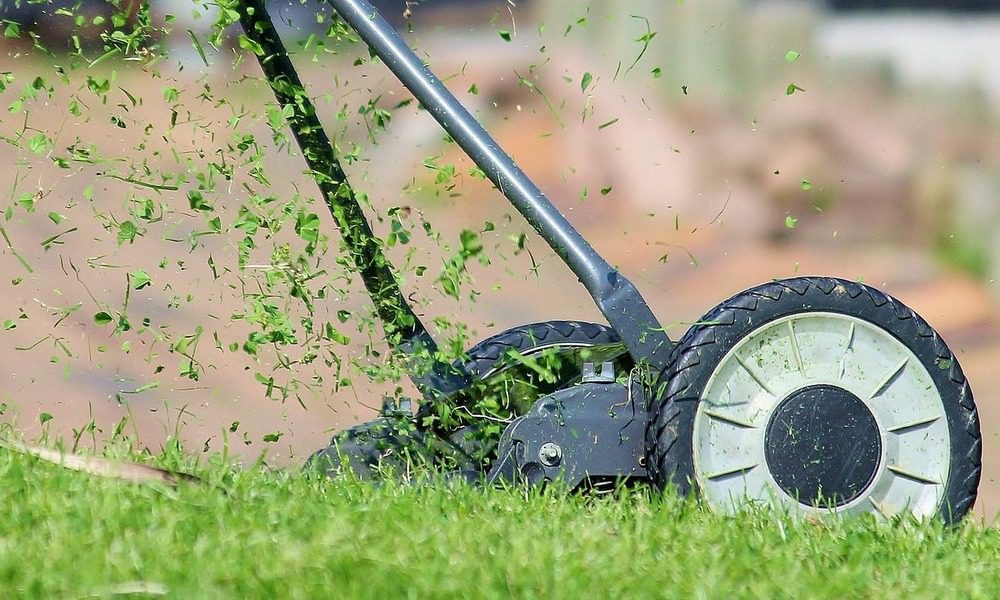
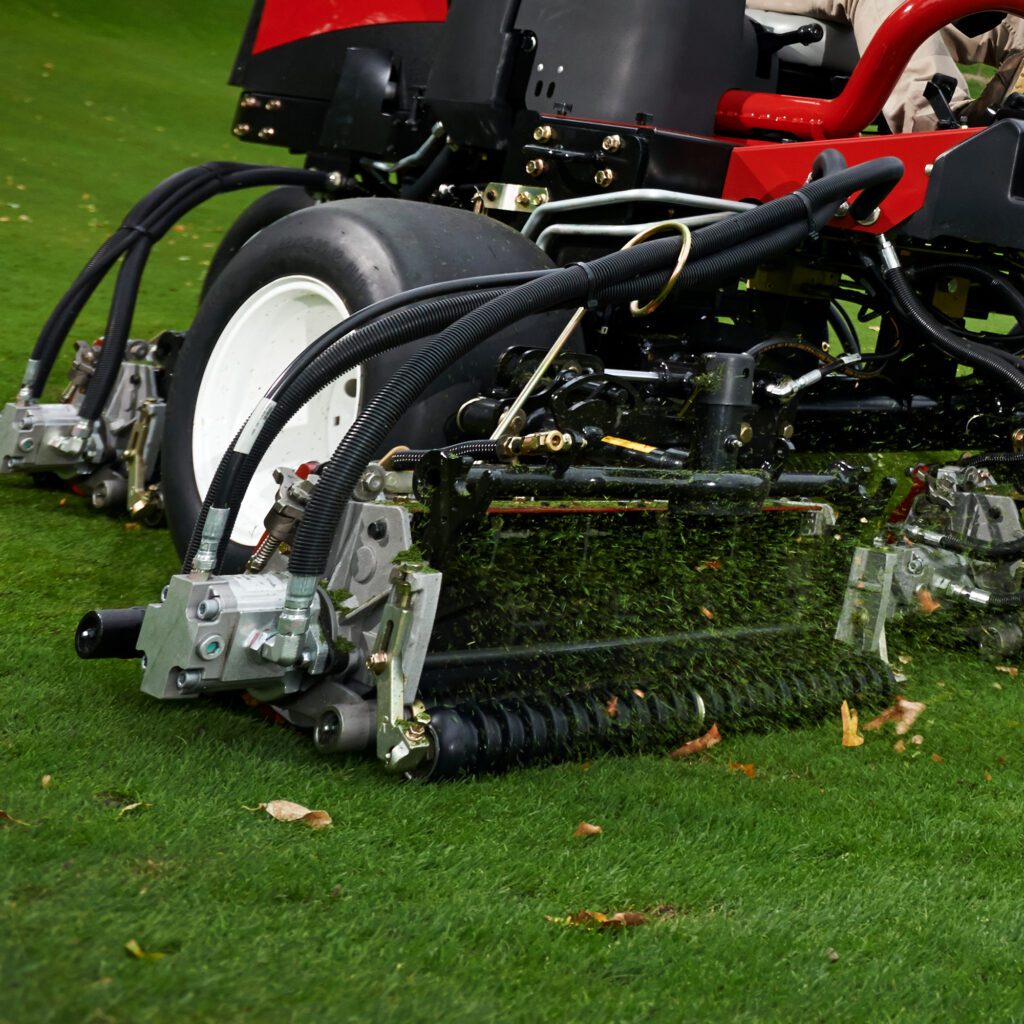
Often used for tees and greens on golf courses or other fine turf surfaces like bowls or croquet lawns due to their high-quality cut at low heights. Reel mowers are available in both Walk Behind and Ride-on depending on the use case. Many golf courses will have their own reel grinders to perform the ongoing maintenance of mowers reels inhouse.
Best used for: Greens, tees, and other fine turf surfaces requiring low height of cut
Autonomous mowers
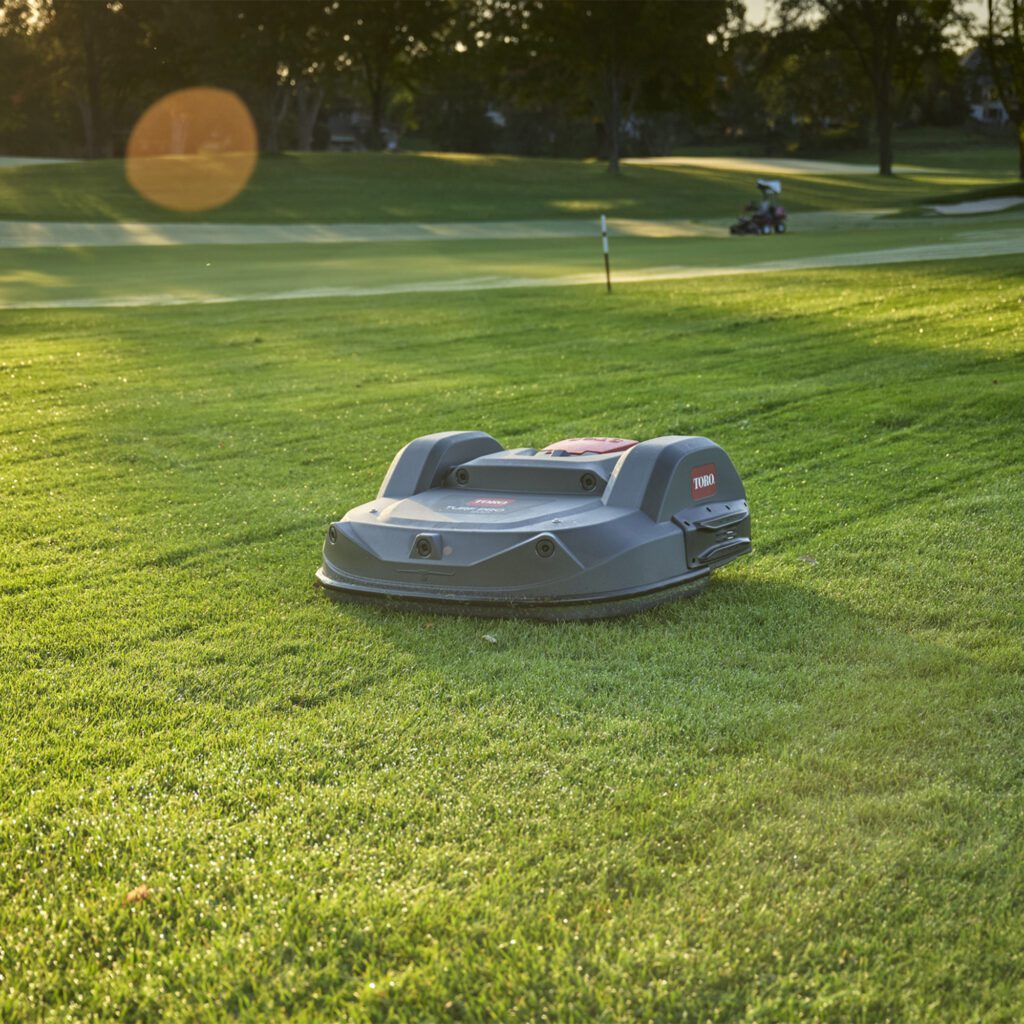
Best used for: low-maintenance rough areas, overnight mowing
Autonomous mowers are newcomers to the turf scene and are the ideal for saving labour costs especially for those areas of your course that don’t get the love that they deserve. Most commercial autonomous mowers for golf course have large decks around 40″ (102 cm) which allow them to cover large areas (75000m2 for the Turf Pro) with high levels of precision. Autonomous mowers are self-charging, connecting to charging stations when they require, and can be monitored remotely.
Choosing the right mower for your course or turf facility
There are many great mowers on the market today, and choosing the right mower comes down to a few key decisions based on area type, the size of the area to mow, the complexity of terrain, power requirements, and the type of control. Below we explore what each of these aspects mean for choosing the right mower.
Area Type
Each area on a golf course will require specific machinery. Typically reel mowers are used on greens and tees, some courses will also use them on fairways. Smaller mowers need to be used on greens and tees to minimise damaging the ground with tire marks.
Area Size
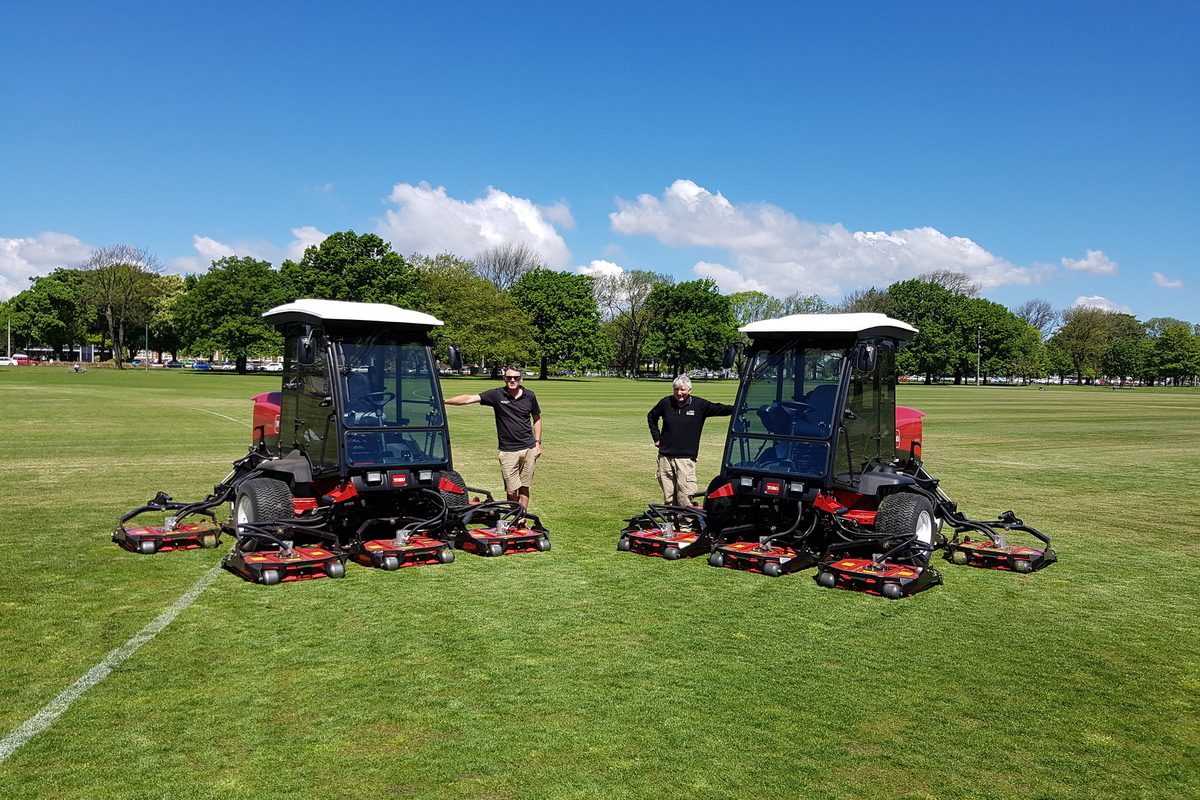
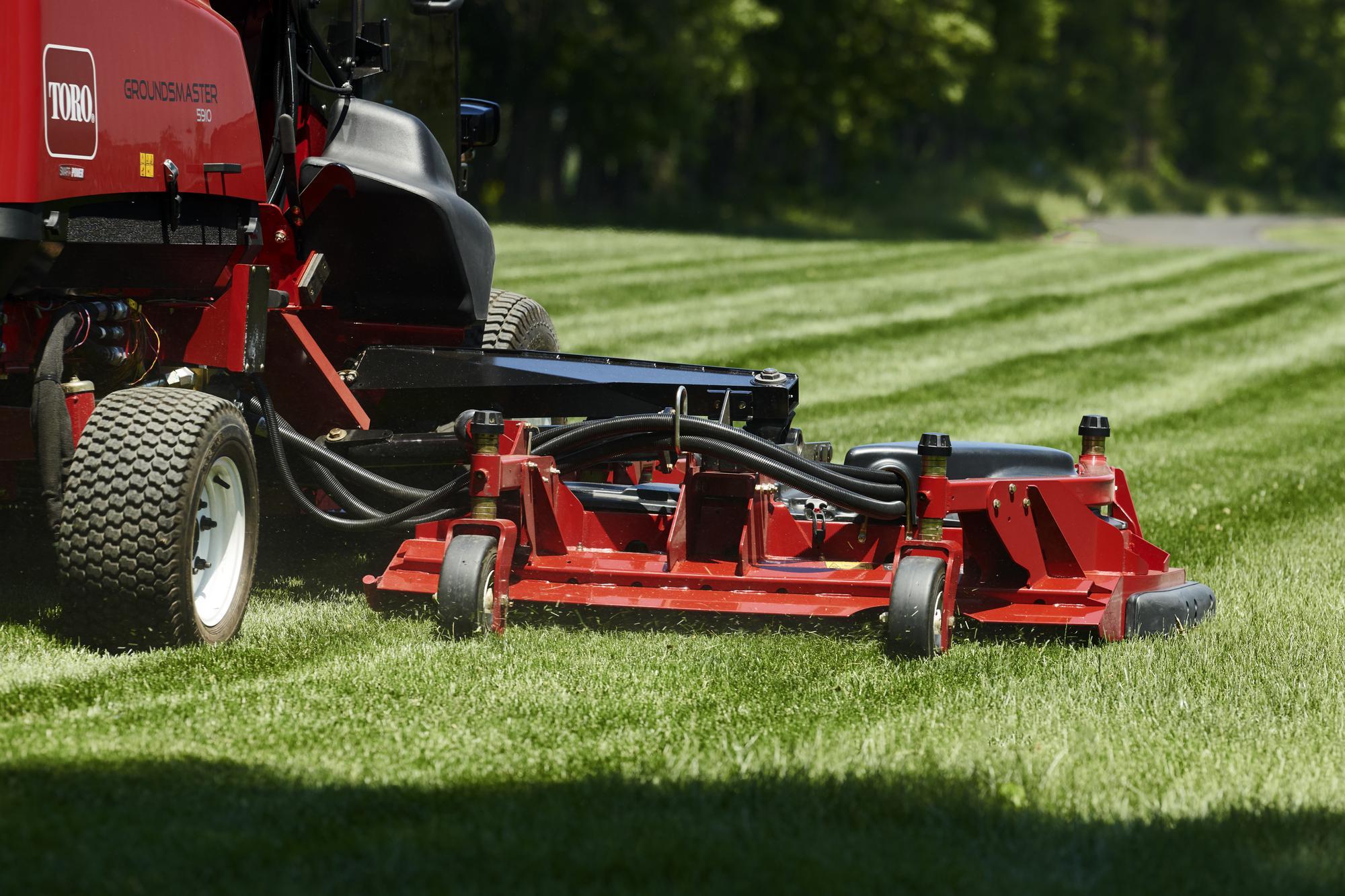
Large areas like golf courses will require a larger machines and usually multiple machines to cover the large areas needing to be mown. A large mower like the Groundsmaster® 5900 Series mowers can mow over 17 acres/hour with its nearly 5-metre-wide deck where a walk behind mower may only get 0.35 acres/hour. Smaller areas or areas with more obstacles will require a smaller size mower to allow for better agility. Based on the size of the area you are managing will determine the size of mower/deck you need.
Terrain
Mowing area slope and ground conditions are important in narrowing down the type of mower that would be required for your needs. For instance, if you have moderate slopes and flat terrain, any Toro mower would likely be suitable for your needs but if you have complex and varied terrain then looking at a Ventrac may be a better choice.
Power & Emissions
Toro now offers mowers powered by petrol, diesel, hybrid or full electric motors. If you are looking for a more sustainable or low noise mowers, lithium and hybrid are the best option.
Autonomous / Remote Control
Many areas of a golf course or sports field can be now autonomously mown, for moderate slopes and flat terrain there are a range of autonomous mowers that can handle your mowing. Public areas may not be as suitable for autonomous mowers due to health and safety risks and the possibility of theft or vandalism.
Remotely controllable mowers such as the Ventrac 45RC are also becoming more mainstream which can provide a safer working environment for challenging area with steep inclines.

Golf course mowers vs sports turf mowers
While golf courses typically require a higher quality of cut whereas a sports turf mower may be multi use.
Golf course
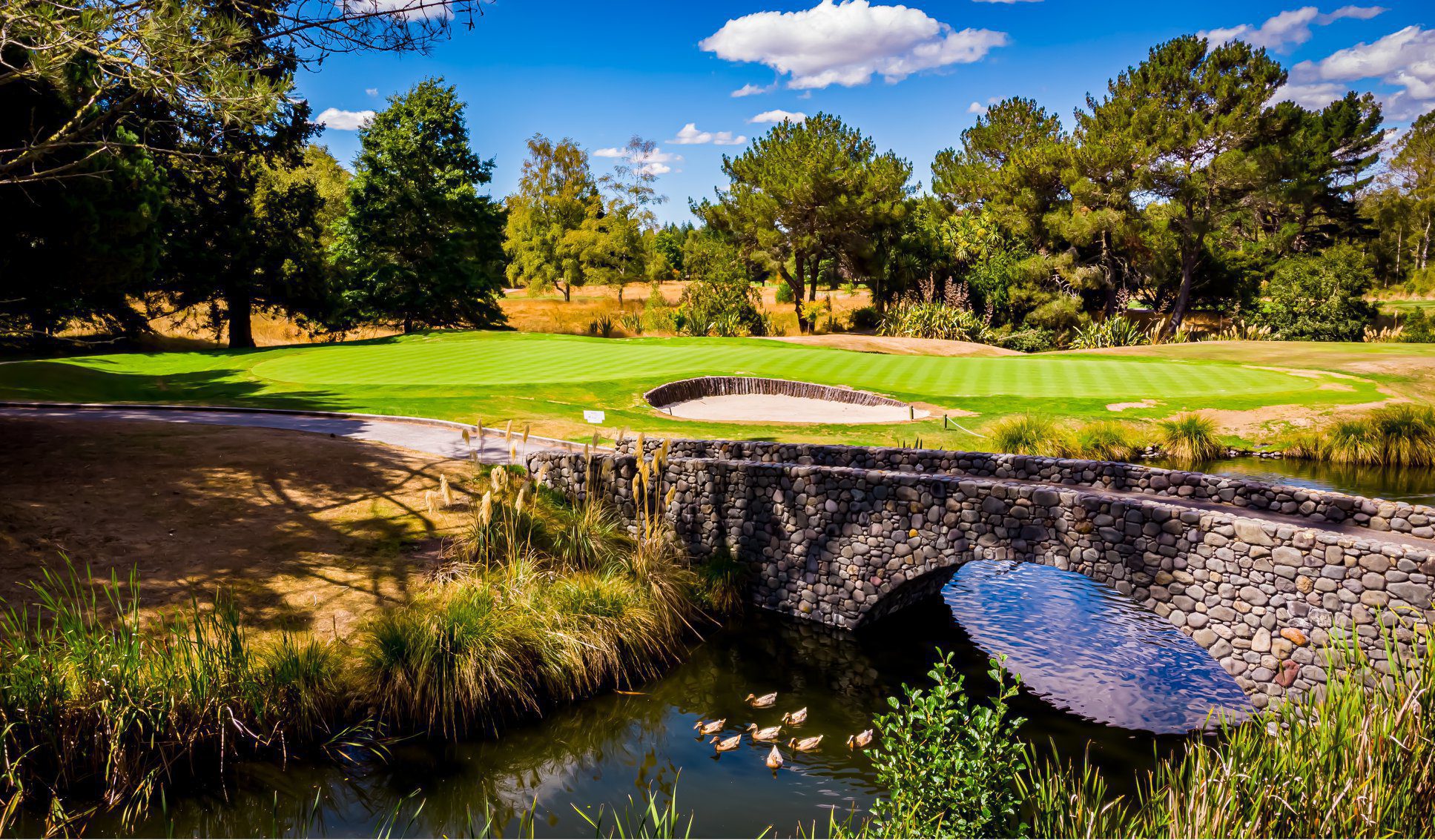
The main difference between golf courses and sports turfs is the need for multiple mower types across one property. Golf courses handle varying levels of cut height and grass which call for different mower types. Greens need to have a higher level of cut precision to help with a consistent green speed. Roughs are often cut higher than most reel mowers max height of cut so rotary mowers will be used here. Fairways and tees are cut at similar heights but are vastly different sizes so require different sized mowers. The potential impact of equipment failure needs to be considered to minimize the risk of playability issues caused by overgrown turf.
Sports field and facilities
Versatility is an important factor in for mowers used in sports field and facilities as you may use the mower for multiple sport fields that require different heights of cut. Along with sports fields you may also be required to mow around trees, buildings or other non-sports fields area. Sport field mowing generally doesn’t require or have the resources available to provide as much attention to detail as a golf course needs.
Buying vs Financing vs Leasing commercial mowers in New Zealand
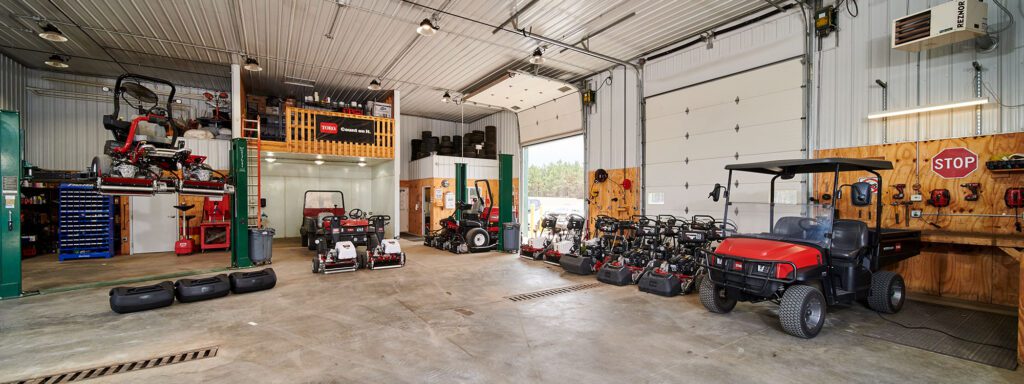
Replacing or expanding your mowing fleet is one of the bigger capital decisions a golf course superintendent or sports turf manager will make. Whether you buy outright or finance through a leasing arrangement comes down to how your operation manages cash flow, equipment lifecycle, and budget cycles. Here’s how the paths compare:
Purchasing Outright
- Full asset ownership from day one with the machine
- No ongoing payments once the purchase is complete.
- Better suited to operations with strong cash reserves or annual capex budgets.
- Higher upfront cost compared to financing or leasing.
- Immediate tax advantages through the Government’s Investment Boost scheme.
Financing
- Preserves working capital by spreading the cost across fixed monthly payments.
- Predictable budgeting with no large lump-sum payments.
- Access to premium machinery that may be out of reach as a single purchase.
- Equipment upgrade cycles can align with the end of a finance term.
- Potential tax advantages with payments being treated as an operating expense rather than a depreciating asset.
Operating Lease
- No capital is needed up front.
- The capital cost of equipment is not shown on your balance sheet.
- You can select either a short- or long-term contract.
- Payments are tax deductible.
- Maintenance may be built into monthly lease payments.
- As the supplier, Parkland remains the legal owner of the equipment. At the end of the lease, the equipment is returned to us to sell. Any loss made on the sale is carried by Parkland.
Financing options through Parkland – DLL and MTF Finance
Parkland works with two of New Zealand’s leading commercial equipment finance providers — DLL and MTF Finance — to offer flexible financing on mowers and turf equipment. Whether you’re looking to upgrade a single machine or outfit an entire fleet, financing can make premium equipment accessible without the capital outlay. This is particularly useful when moving to lithium electric or autonomous mowers, where the upfront cost is higher but the long-term savings on fuel and labour are substantial.
For golf clubs and sports facilities working within annual budget cycles, financing often makes more practical sense than a large one-off purchase especially when upgrading multiple machines at once. It also means you’re not delaying a necessary equipment decision because the timing of a capex spend doesn’t align with your financial year.
Mower maintenance – keeping your fleet in peak condition
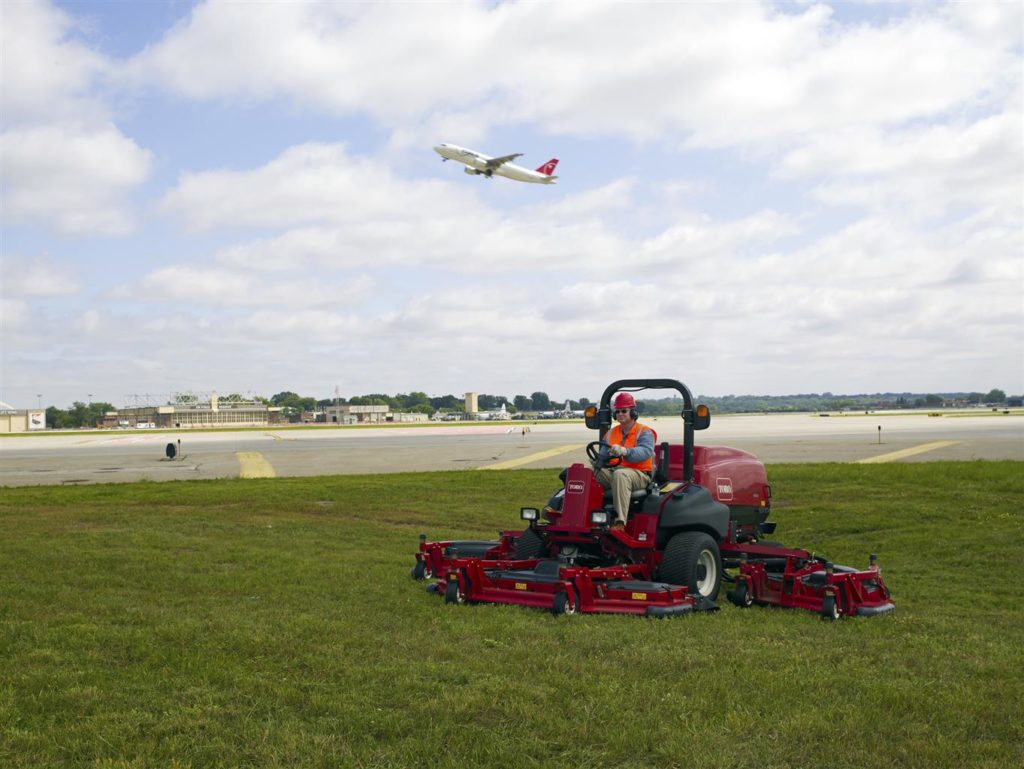
A machine that goes down mid-season can cost more than the repair bill and can make the usual stresses of turf management become overwhelming. It costs you cutting days, which on a golf course shows up quickly. The difference between a fleet that holds up and one that doesn’t, usually comes down to a few basics done.
Service intervals
Most commercial mowers are serviced every 100 to 250 hours depending on the model. During a busy summer, the hours can build up fast and the calendar becomes a poor substitute for the hour meter. Check oil, air filters, belts, and blade condition at the start of each season, and don’t let service intervals slip just because the machine is still running.
Keep parts on hand
Blades wear out, belts can snap, and filters get clogged. None of these are emergencies if you have a spare on the shelf but all of them become emergencies when you don’t. For courses and facilities away from a service centre, keeping a small inventory of the parts your machines go through regularly are worth far more than the shelf space.
Winter storage
NZ winters hit harder in some regions than others. In the South Island particularly, getting storage wrong costs you at the start of the following season. Cleaning the decks properly before storing them over winter can stop the moisture in the grass clipping or dirt them from rusting.
For petrol or diesel machines make sure to drain or stabilise fuel before letting them sit for long periods, and electric vehicles need to be charged to their storage level rather than leaving them flat or full.
Reel mowers need more attention than rotary machines
The reel and bedknife need to be ground and lapped regularly to hold the tight clearances that make a reel mower worth using. If you let it go too long, you’ll end up tearing the turf rather than cutting it, which shows up immediately on greens. Many courses and operator with larger fleets grind in-house. Parkland supplies and services the full Foley reel and bedknife grinder range if you choose this route.
Talk to Parkland
Parkland has supplied and serviced commercial mowing equipment to New Zealand golf courses and sports turf managers since 1988. We’re the exclusive NZ distributor for Toro, Grillo, and Ventrac, with workshops in Auckland, Christchurch, and Cromwell staffed by skilled technicians.
If you’re working through a mower decision, we can talk through the options, arrange a demo, or connect you with financing options.
0800 807 333 | [email protected] | parkland.co.nz/contact-us
Products in this article
- Toro Groundsmaster® 5900 | Ride-on Mowers
- Ventrac 45RC Remote Controllable | Compact Tractor
- Toro Z Master 6000 Series | 152cm (60″) Zero Turn Mower
- Toro Z Master 6000 Series | 183cm (72″) Zero Turn Mower
- Toro Z Master 7500-D Series | 152cm (60″) Zero Turn Mower
- Toro Z Master 7500-D Series | 183cm (72″) Zero Turn Mower
- Toro Z Master 7500-D Series | 244cm (96″) Zero Turn Mower
- Toro Z Master 7500-G Series | 244cm (96″) Zero Turn Mower
- Ventrac Collection Vacuum | Tractor Attachment